How to Avoid Common Defects in Custom Flexible Food Packaging
October 02, 2026
Custom flexible food packaging plays a vital role in food preservation, shelf display and brand image. However, many food brands encounter various packaging defects during mass production, such as weak heat seals, delamination, pinholes, color deviation and printing blurring. These defects will lead to food leakage, shortened shelf life, product spoilage and customer complaints, bringing huge economic losses to food enterprises. As a professional flexible food packaging manufacturer, Jili Flexible Packaging shares practical solutions to avoid common defects in custom flexible food packaging.
1. Poor Heat Sealing & Leakage
Weak heat seal and micro leakage are the most frequent defects for food pouches. They are mainly caused by improper heat sealing temperature, pressure and dwell time, seal area contamination by powder or liquid, and misaligned sealing jaws. Once leakage occurs, oxygen and moisture will penetrate the package, causing food deterioration. Prevention: Optimize the three core parameters of heat sealing. Keep the sealing zone clean and free of dust, oil and food residues. Carry out seal strength test and leak test for pre-production samples. Jili Soft Packaging strictly controls heat-sealing parameters for each order to guarantee stable sealing performance.
2. Film Delamination (Layer Separation)
Delamination means the laminated film layers separate, with bubbles and peeling on the surface. It is triggered by incompatible film materials, insufficient adhesive curing, improper adhesive dosage, and oil / acid ingredients inside food attacking the adhesive. Delamination destroys the barrier property of packaging and shortens food shelf life. Prevention: Select matched film and adhesive according to food characteristics. Guarantee sufficient aging and curing time after lamination. Conduct peel strength test to check composite fastness.
3. Pinholes & Puncture Damage
Pinholes and micro holes often appear on aluminum foil or thin composite films, resulting from sharp food ingredients, excessive tension during production, and repeated bending in transportation. Even tiny pinholes will damage oxygen and moisture barrier performance. Prevention: Choose thickened or puncture-resistant composite structures for products with sharp corners. Control film tension in printing and laminating processes. Perform pinhole inspection by online detection equipment.
4. Printing Defects: Color Difference, Ink Peeling & Registration Offset
Color deviation, ink falling off, pattern misregistration seriously affect product appearance and brand display. Root causes include unsuitable ink, insufficient corona treatment, unstable web tension and poor drying effect. Prevention: Use food-grade compatible gravure ink. Complete corona treatment to improve ink adhesion. Control web tension steadily during printing, confirm color standard with pre-production golden sample before mass production.
5. Pouch Deformation, Wrinkles & Zipper Failure
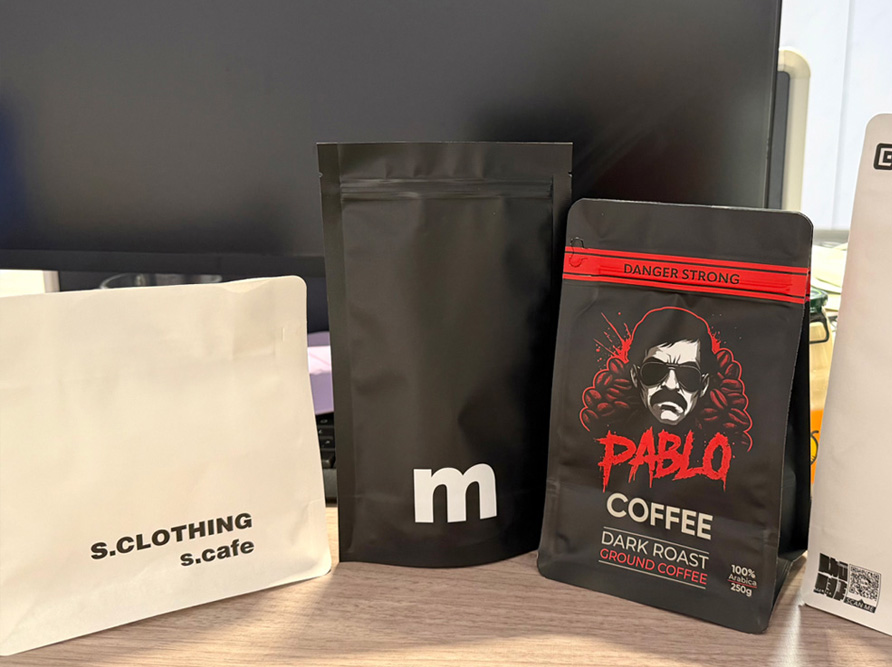
Wrinkles, irregular pouch shape and failed resealable zipper will affect automatic filling and shelf presentation. It is usually caused by unreasonable material stiffness, mismatched pouch structure design and poor zipper installation. Prevention: Design pouch structure according to filling machine type and product weight. Test finished pouches with real filling materials. Inspect zipper tightness and repeated opening-closing performance.
Systematic Quality Control from Jili Flexible Packaging
To minimize packaging defects, quality control should run through raw material incoming inspection, printing, laminating, bag making and finished product testing. Jili Soft Packaging implements full-process quality inspection: raw material inspection, inline visual monitoring, finished pouch physical performance test, food safety compliance test. All custom food packaging meets food contact standards.
Conclusion
Most defects of custom flexible food packaging can be avoided through reasonable material selection, standardized process control, pre-production sample confirmation and strict quality inspection. Cooperate with an experienced supplier like Jili Flexible Packaging to reduce packaging risks, protect your food products and enhance brand competitiveness.