Popular Printing Finishing Trends for Snack Food Packaging Bags
October 06, 2026
Snack food packaging bags are not only used to preserve product freshness, but also serve as a key branding medium to attract consumers on retail shelves. As competition in the snack market intensifies, more brands choose differentiated printing and surface finishing techniques to enhance shelf appeal and product added value. Jili Flexible Packaging specializes in custom flexible snack packaging, and we break down the most popular printing and finishing trends for snack pouches in the global market.
1. High-definition Gravure Printing for Mass Production
Gravure printing remains the mainstream choice for large-batch snack packaging orders. It delivers rich color saturation, smooth gradient transition and precise pattern reproduction. For snack brands with stable large-volume orders, gravure printing ensures consistent color repeatability across thousands of pouches, ideal for complex artwork, food photography and multi-color logos. Jili Flexible Packaging adopts food-grade gravure ink that complies with food contact safety standards.
2. Digital Printing for Small Batch & Limited Editions
Digital printing is booming for snack packaging. It eliminates plate-making costs and shortens lead time, perfectly suitable for small-batch tests, seasonal limited snacks, regional customized versions and new flavor launches. Brands can quickly update artwork, variable QR codes and batch information without heavy upfront investment. This trend helps snack brands lower trial risks and test market feedback rapidly.
3. Tactile Finishes: Soft-touch & Matte Lamination
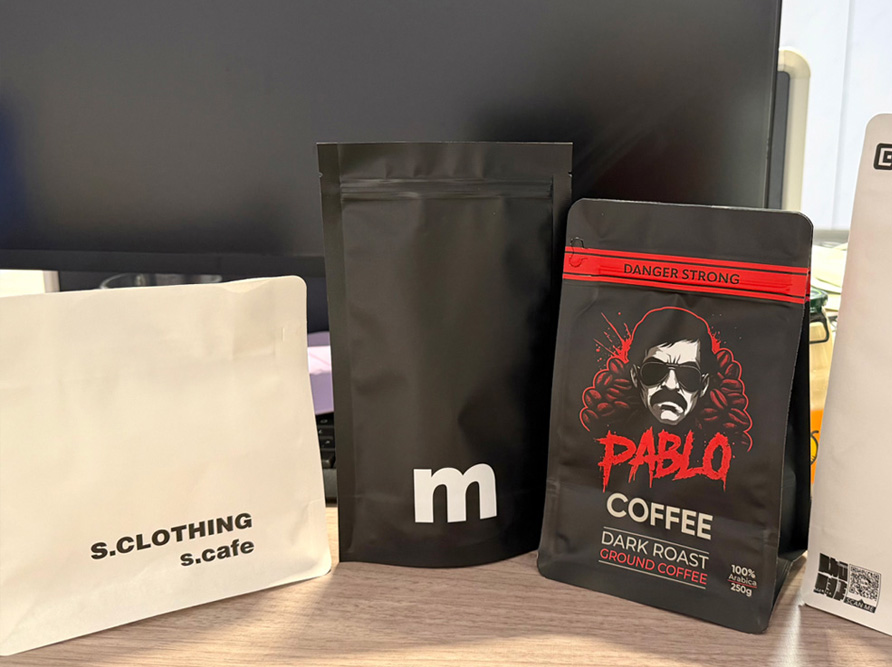
Tactile surface treatment has become one of the most popular trends for premium snack bags. Matte lamination reduces light reflection and presents a minimalist, natural visual effect. Soft-touch lamination brings velvet, peach-skin hand feel. Packages with these textures can catch consumers’ attention when they touch the bags in supermarkets. These finishes also resist fingerprints and scratches during transportation and shelf display.
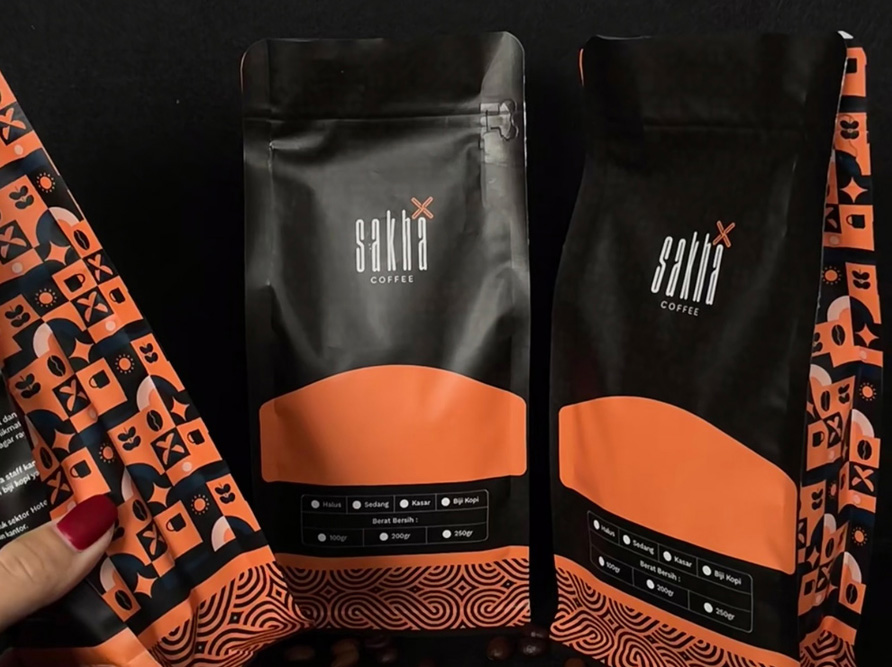
4. Spot UV, Hot Foil Stamping & Embossing for Highlight Effects
Partial spot UV creates contrast between glossy highlighted areas and matte base surface, making logos, product names or key graphics stand out. Hot foil stamping (gold/silver foil) adds metallic luster for high-end snack series. Embossing brings 3D raised texture on patterns or brand marks. Combined use of these finishing techniques greatly upgrades the premium sense of snack packaging and supports social media sharing.
5. Sustainable Water-based Inks & Eco-friendly Coatings
Sustainability is a lasting trend for food packaging printing. More snack brands shift to low-VOC water-based inks and eco-friendly coatings. Such materials reduce environmental impact while meeting global food safety regulations. Recyclable mono-material films matched with eco printing solutions help brands achieve green packaging goals and cater to eco-conscious buyers.
6. Hybrid Design: Transparent Window + Special Printing
Many snack pouches combine custom printing with clear windows. Consumers can directly view nuts, dried fruits and other snacks inside. The printed artwork builds brand identity while the transparent window builds product trust. Jili Flexible Packaging can integrate window cutting with all kinds of printing and finishing processes in one production line.
Jili Flexible Packaging: Custom Printing & Finishing for Snack Pouches
Jili Flexible Packaging provides one-stop custom snack packaging solutions, covering artwork confirmation, gravure / digital printing, matte / soft-touch lamination, spot UV, hot stamping, embossing and bag making. We strictly control color matching, ink safety and surface finishing quality to help snack brands get eye-catching packaging on retail shelves.
Conclusion
Printing and surface finishing directly determine the visual and tactile performance of snack packaging bags. Gravure printing for mass orders, digital printing for small batches, tactile matte/soft-touch films, spot UV and foil stamping are the mainstream trends. Work with an experienced flexible packaging manufacturer like Jili Flexible Packaging to select proper printing and finishing processes matching your brand positioning and budget.
NEXT: How to Avoid Common Defects in Custom Flexible Food Packaging
PREV: End